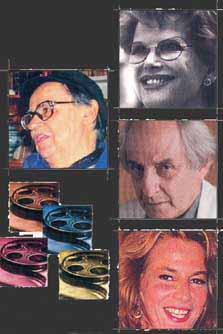
|
LUCHINO VISCONTI
by Carlo Lizzani
Italy, 1999
Production: Felix Film, Rai Uno Cinemafiction, Arte/NDR
Executive production: Laura Pettini/Silvia Pettini per la Felix
Film
International distribution: Rai Trade
Format: Betacam SP – 62'
Raccontare Visconti, la sua vita, le sue opere cinematografiche,
teatrali e liriche, è possibile solo ripercorrendo i luoghi
della sua infanzia, adolescenza e giovinezza. È sotto questa
luce che acquisteranno chiarezza le molte citazioni, da film e
da regie teatrali, presenti nel filmato “Luchino Visconti”
Il Palazzo a Via Cervia a Milano, la Villa Erba di Cernobbio,
il Castello di Grazzano, la Parigi Renoir disegnano il territorio
e lo sfondo scenografico straordinario entro il quale un talento
naturale si fa a poco a poco, emerge, sempre guidato da rabbia
trasgressiva e genialità creativa.
Queste dimore non sono state infatti, per Luchino, scenografie
effimere, vuote. E spettacolo, ed iniziazione allo spettacolo,
erano ancora i balli, le feste, i pranzi, i concerti, i salotti
dopo le serate alla Scala.
Cerimoniali che Visconti trasfigurerà negli affreschi corali dei suoi grandi film in costume, e che
saranno la cornice costante e fascinosa di tanti suoi personaggi
famosi: Angelica, Ludwig, Aschenboch.
Dal GATTOPARDO a LA CADUTA DEGLI DEI, da MORTE A VENEZIA, a GRUPPO DI FAMIGLIA IN UN INTERNO
mette in scena la “mise en scène” reale e permanete
in cui si è formato negli anni di Cernobbio, di Grazzano,
di Parigi.
Con lo sfondo di quadri famosi, di mobili segnati dai
secoli, di tappezzerie rare, di costumi sontuosi e raffinati.
Che Visconti vorrà, anche nella finzione, di accertata
autenticità. Si che i suoi attori si incarnino nei personaggi
e nei luoghi sino a riviverli, come in una magica temperie, nel
loro universo fittizio eppur reale.
|
§ Contents
§ Festivals
and events |
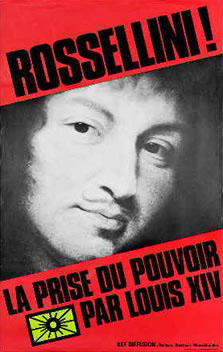
ROBERTO ROSSELLINI
By Carlo Lizzani
Italy, 2001
Production: Felix Film, Rai Cinema
Executive production: Laura Pettini and Silvia Pettini for
Felix Film
International distribution: Rai Trade
Format: Betacam SP - 63'
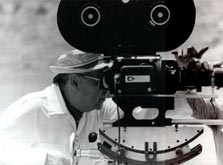
The life of Roberto Rossellini is narrated by looking back at
his early years in Rome within his family, by visiting the places
where he lived or shot his films, such as Rome, the Amalfi coast
and Paris and by listening to the recollections of his collaborators,
his sons and daughters and his women, and the opinions of those
who chose him as their Master, both in Italy and across the world.
The excerpts from his works mark the various stages in his artistic
career. The purpose of the film is, above all, to disprove the
many commonplaces about his private life and his poetic world.
The film also disproves the commonplace about the artistic relation
between Rossellini and Ingrid Bergman, which seems to survive
even today. He invited this extraordinary Hollywood icon to work
in his country, with the risk of shattering her from a commercial
point of view and definitely losing all the credit he had earned
with the huge success of “ Roma città’ aperta".
He paid dearly for his consistency. He was slowly marginalised
from the market.
However, his was a great response to that strong need for a
European and an Italian identity, that torments us even today
and to which Rossellini gave an extraordinary and prophetic contribution.
Thanks chiefly to French critics, his three films with Bergman
are universally acknowledged as innovators of cinema and cornerstone
contributions to the creation of modern cinema. On the big and
small screen, his films are like the many chapters of story narrated
through pictures. |
§ Contents
§ Festivals and events
|
| ROSSELLINI:
FRAGMENTS AND WORDS
by Carlo Lizzani
Italy, 2001
Production: Felix Film
Executive production: Laura Pettini and Silvia Pettini for
Felix Film
International distribution: Rai Trade
Format: Betacam SP - 52'
|
|
TALKING ABOUT CINEMA
byi Carlo Lizzani
Italy, 1999-2001
Production: Felix Film, Museo Nazionale del Cinema di Torino
Executive production: Laura Pettini and Silvia Pettini for
Felix Film
Format: Betacam SP – different lenghts
Chi è depositario privilegiato della “Memoria”
del Cinema?
Per chi studia e ama la musica, la fonte più preziosa,
il libro che meglio racconta le vicende del melodramma, è
quello scritto dal librettista Lorenzo Da Ponte.
Un figura simile oggi a quella dello sceneggiatore.
“Soltanto un nome nei titoli di testa”, Ugo Pirro
definisce così il suo ruolo nell’ultimo libro pubblicato
da Einaudi.
Eppure, quanta storia del Cinema Italiano è passata attraverso
al sua penna. La memoria del cinema non può essere insomma
privilegio, patrimonio di una sola figura professionale, quella
del regista.
Ecco in sintesi la motivazione di questa lista di testimonianze
raccolte da uno storico del Cinema Italiano, Carlo Lizzani, e
che include la presenza di sceneggiatori, maestri della fotografia,
produttori, attori e attrici, costumisti, scenografi, compositori,
musicisti, ecc.
L’idea è quella di utilizzare come chiave di lettura
delle interviste i “mestieri del cinema” visti attraverso
testimoni di stagioni diverse, per le rivoluzioni tecnologiche
e i mutamenti della geografia politica mondiale che hanno determinato
modifiche sia culturali che professionali.
|
|
CESARE ZAVATTINI
by Carlo Lizzani
Italy, 2003
Production: Felix Film, Cinecittà Holding, Istituto
Luce, L’Immagine, Rai Trade
Executive production: Laura Pettini and Silvia Pettini for
Felix Film
International distribution: Rai Trade
Format: Betacam SP - 52'
Un film su “Za” scrittore, pittore, direttore editoriale,
operatore culturale, oltre che cineasta, che fonda sulla lunga
esperienza di Lizzani come regista e come storico del cinema e
che al tempo stesso nasce anche dai ricordi personali, da una
frequentazione che l’autore ha avuto con Zavattini, richiede,
per la ricchezza delle angolazioni offerte dalla sua personalità,
un impegno complesso di “messa in scena”. La struttura
del racconto si articola tra riprese originali nei luoghi della
formazione, testimonianze di attori, amici e collaboratori, testimonianze
dello stesso Zavattini, via via citando sequenze dei film.
Un “ritratto” di Zavattini permette al pubblico internazionale
di percorrere a tutto campo la storia stessa del cinema italiano,
dagli anni ‘30 agli anni ’70. E di svelare i tanti
misteri di quella stagione neorealista – che ha reso universalmente
noto il nostro cinema, ma che affonda le sue radici già negli anni antecedenti alla guerra e prolunga la sua ombra e i
suoi riverberi su tante opere dei decenni successivi.
Solo la personalità complessa a volte contraddittoria,
provocatoria addirittura, di Zavattini ci fa capire meglio quella
coesistenza di fantastico e realistico che è una delle
peculiarità di tutto il Neorealismo e non solo dei film
scaturiti dal sodalizio De Sica / Zavattini.
Nella formazione di Zavattini, scrittore, pittore, cineasta, sono
decisive le esperienze innovatrici italiane ed europee in campo
letterario e pittorico, degli anni venti e trenta. Come è noto, la cultura fascista ufficiale non riesce a occultare del
tutto i movimenti protagonisti del Novecento. Del resto il movimento
fascista ha vissuto una coesistenza profonda col futurismo e con
tanti fenomeni di Avanguardia che in Europa sono diventati protagonisti.
Ma gran parte dell’opera di Zavattini è rimasta sulla
carta. Il suo rammarico è stato sempre quello di essere
“in ritardo” sui grandi temi posti dalla società
in conseguenza della complessità e della lentezza dell’Industria
Cinematografica. Questo e altro sarà egli stesso a raccontarlo
e motivarlo a scansione narrativa del documentario.
|
§ Contents
§ Festival and events
|
LOOKING FOR SOPHIA
by Roberto Olla
Italy, 2004
Production: Felix Film, Zdf/ARTE, AVRO, Rai Trade
Associate production: Surf Film
Executive production: Laura Pettini and Silvia Pettini
for Felix Film
International distribution: Rai Trade
Format: Betacam SP – 52’
with the support of the MEDIA Plus Programme of the European Community
Looking for Sophia: the narrative structure of the documentary is
already inserted in the title. It doesn’t talk about the star,
or better, not only about the star, but about Sophia, the woman
– daughter, lover, wife, mother, friend – about her
personal and artistic story, about her expectation and her struggles.
We are looking for and more and more recognizing Sophia in original
interviews of foregoing directors, actors, her make up artists,
one of her friends of childhood, in the interviews that Sophia herself
gave through about fifty years of artistic life (collected in their
original languages in archives of several European broadcasters,
and international cinema archives) in the several roles she played
on screen. Sophia Loren makes us able to go through seventy years
of history, starting from Pozzuoli, going from the Second World
War to re-birth of Italy, until recognizing us in changes of social
life and international costume represented by so many movies.
|
§
Contents
§
Festivals and events
|
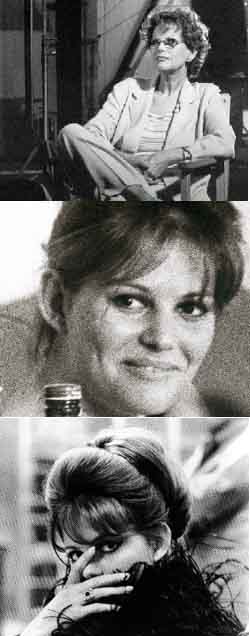
BEING CLAUDIA CARDINALE
di Stefano Mordini
Italy, 2005
Production: Felix Film
Co-production: Avro - Rai Trade
With the participation of: Yle Teema - Svt - Sbs Tv Australia
Executive production: Laura Pettini and Silvia Pettini for
la Felix Film
International distribution: Rai Trade
Format: Betacam DG, 52 minutes
They seemed crazy to me. I wonder: ‘what
do they want from me?’ I was a savage, I didn’t spoke,
and yet they asked me to make cinema. Being Claudia Cardinale
is the dream of many people and at the same time such a great task
for one person only: Claudia Cardinale. Early the most beautiful Italian
girl in Tunisia, then fiancée of Italy thanks to her great
beginning in cinema, soon after “C.C.” for French people,
Claudia Cardinale went throughout and performed the cinema of 60s
until this day starting a new film. “She had a smile that left
you speechless” (Lucherini); “A flawless woman”
(Maselli); “A figure being not of bone, but of flesh”
(Tosi), these words draw part of the personality of the most mysterious
woman in Italian cinema. Monicelli, Bolognini, Fellini, Visconti,
Comencini, Ferreri, Maselli, Zurlini, Leone, Herzog, Squitieri, Hataway,
Lelouch, Edwards only to mention a part of names which directed her
to make her live one hundred lives as many films she played. “Cinema
saved my life” Claudia Cardinale states, and that saved life
is the story of Being Claudia Cardinale. |
|
THE PERFECT FIT
by Piergiorgio Gay
Italy, 2005
Production: Felix Film
Co-production: Haibun
With the participation of: Rai Tre - Yle Fst
International distribution: Rai Trade
Format: Betacam DG, 52 minuti
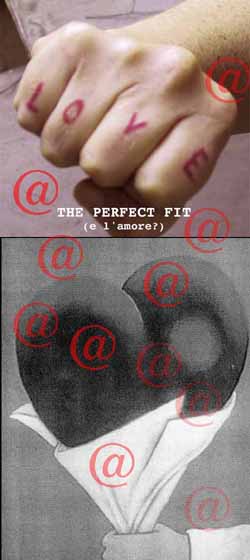
A face seen in the underground station. The regret
of having gone no further than a glance of understanding. The search
for true love, the ideal one, or perhaps only the fear of spending
the rest of one’s life alone? Web ads where a person has to
sum up his/her physical appearance, emotions and requests in a few
lines. The braveness of expressing succinctly a universal need for
love, friendship, care. The original idea is to meet and get to
know the people behind these ads to try and tell their stories.
These stories are the “backbone” of the documentary,
the behavior of common people in Europe. The location of the documentary
is a large urban centre in Italy, but not all the characters are
Italian, because the film is about a sharing feeling. Characters
exist in the normality of their own life because of their attitudes
and their relationship with their surrounding environment; their
life is unique also because of their specific cultural and linguistic
backgrounds.
|  |
|